CHELSEA MISSED NOTHING… ADAM’S VEGAS GOODBYE MAY HAVE HIDDEN THE FIRST REAL SIGN THEIR LOVE IS BREAKING
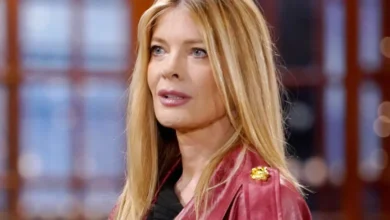
Adam and Chelsea’s goodbye before his Las Vegas trip did not play like a simple soap farewell. On the surface, it looked quiet, emotional, and restrained, the kind of scene that could easily be read as one partner worrying about the other heading into danger. But that is exactly why the moment feels more suspicious in hindsight. The scene was not written like a romantic pause before reunion. It was written like a warning. The tension was not built around whether Adam would come back safely in the physical sense. It was built around whether the man who returned would still be the same version of Adam Chelsea had fought to believe in.

That is the hidden clue that makes this scene so much darker than it first appeared. Chelsea did not seem afraid of Vegas as a city. She seemed afraid of what Vegas represents in Adam’s history. This is not just another trip, and that is what gives the goodbye its real weight. Las Vegas is tied to the period of Adam’s life when he was operating as “Spider,” when his mind, identity, and moral center were in a far more dangerous place. Chelsea’s fear was never just about distance, temptation, or even physical risk. It was about regression. The moment quietly suggested that what she feared most was not losing Adam to another woman, but losing him to the buried version of himself that the city might awaken.
That is also why the scene matters more than a standard couple-in-crisis beat. If the writers wanted viewers to feel secure about Adam and Chelsea, the goodbye would have been framed with emotional reassurance. It would have leaned harder into trust, promises, and the certainty of reunion. Instead, the atmosphere felt uncertain, almost emotionally unfinished. There was a sense that Chelsea was trying to hold on without truly believing she could control what came next. In soap storytelling, that kind of calm is often a trap. Big fractures are rarely announced with screaming first. Sometimes they are planted in small, uneasy scenes where one character already senses the shift before anyone is ready to say it out loud.

The most important clue may be that Adam is not going to Vegas for selfish reasons. He is going there to help deal with a dangerous situation, which on paper makes him look noble, loyal, and committed to doing the right thing. But that setup may be exactly what makes the story so dangerous. Soap characters often fall hardest when they enter darkness believing they have a good reason for it. Adam does not need to choose evil for the mission to damage him. He only needs to start thinking like Spider again. Once a man begins justifying secrecy, manipulation, or emotional detachment in the name of a greater good, the slide has already begun. That is the hidden crack in the goodbye scene: Adam is leaving with a righteous purpose, but the path still leads through the most dangerous version of himself.
Riza’s shadow makes that threat even worse. The obvious reading is that she is a romantic complication, a woman from Adam’s past who could stir up jealousy and mistrust. But that may be the most superficial way to read what the writers are doing. Riza is more than a possible temptation. She is a living key to the Spider era, someone tied directly to the identity Adam built during one of the most fractured chapters of his life. That makes her dangerous in a deeper way. Chelsea does not just have reason to worry that Adam could reconnect with Riza emotionally. She has reason to fear that Adam could reconnect with himself in the worst possible way while standing beside her. That is what turns this from a love triangle threat into a psychological one.





And that is why the real danger to Adam and Chelsea may have nothing to do with conventional betrayal at all. Infidelity is the easy fear, the obvious headline, the scandal viewers instantly recognize. But what if the bigger betrayal is internal? What if Adam comes home without crossing a romantic line, yet still returns colder, more secretive, more strategic, and more emotionally unreachable? That kind of damage is harder to name and often harder to repair. Chelsea could potentially forgive a mistake made in weakness. What may destroy them is something far more tragic: Adam becoming a man she no longer recognizes while still insisting he is doing everything for the right reasons.
This is where the goodbye scene becomes devastating in retrospect. Chelsea may already understand that losing Adam does not have to mean being replaced. A woman can lose the man she loves even if he comes back to her bed, her house, and her life. She loses him the moment the emotional core of who he is begins to disappear. That possibility gives the scene its hidden heartbreak. Chelsea was not just saying goodbye to a boyfriend leaving town. She may have been standing in front of the first visible crack in a relationship that cannot survive Adam’s psychological relapse, no matter how loyal he appears on the surface.
If that is where The Young and the Restless is going, then this quiet farewell may end up mattering more than any future shock twist in Vegas. The writers may have buried the real clue in plain sight by making the moment feel small, intimate, and controlled. Because the true danger was never only that Adam might betray Chelsea with another woman. The true danger was that Vegas could resurrect the man Adam worked so hard to bury, and Chelsea may have already sensed that once Spider comes back, love alone may not be enough to save them.