Is Marcel’s Love for Leslie Genuine or Motivated by Her Wealth?
Leslie and Marcel’s relationship has sparked considerable speculation regarding the authenticity of their feelings for one another, particularly in the context of Leslie’s past with Ted. The central question arises: Does Marcel truly love Leslie, or is he primarily motivated by her wealth? Conversely, does Leslie genuinely care for Marcel, or is she seeking to fill the void left by Ted’s absence?
Their connection appears to be complicated and fraught with emotional baggage. Leslie is portrayed as a woman who has suffered deeply due to her previous relationship with Ted, suggesting that she may not be fully available for new love. Instead, she seems to be searching for validation and control—elements that Ted never provided. In contrast, Marcel, who often discusses his aspirations of retirement, might also be using the relationship as a means of escape from his previous life, raising questions about his intentions.
From the outside, the relationship between Leslie and Marcel may resemble a typical romance; however, a closer examination reveals a more complex dynamic. Both individuals have experienced personal challenges that shape their current interactions. Leslie’s past with Ted—described as an obsession—casts a long shadow over her ability to engage fully with Marcel. This lingering attachment raises doubts about her capacity to offer authentic love, as a significant part of her emotional landscape remains tied to her history with Ted.
The situation is further complicated by Marcel’s acknowledgment of Leslie’s wealth and status. While he may be attracted to her, it is suggested that he also sees her financial resources as beneficial to his own future. This duality of attraction—emotional and practical—creates a murky environment where true intentions are difficult to discern.





The complexity of their relationship is underscored by the psychological interplay between need and desire. Leslie may be drawn to Marcel because he represents a challenge; he does not shy away from her complexities and instead embraces them. This acceptance offers her a sense of power that she did not experience with Ted. At the same time, Marcel’s interest in Leslie may stem from an appreciation of her fierce personality, combined with a desire for security as he contemplates his retirement.
As they navigate their relationship, both Leslie and Marcel grapple with their own fears and insecurities. Leslie’s pursuit of love is entangled with her need to prove her worth, while Marcel’s motivations may include a desire for stability in the face of his own exhaustion. This interplay suggests that their connection may be more transactional than emotional, raising the question of whether they can ever truly trust each other.
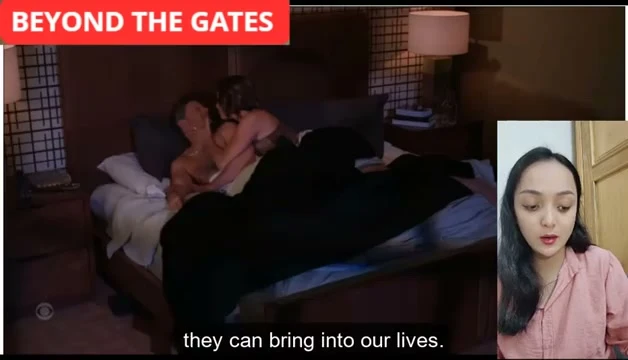
The presence of Ted as an unresolved issue in Leslie’s life adds another layer of tension. Both Leslie and Marcel are aware—on some level—of Ted’s lingering influence, which complicates their interactions. Leslie’s unresolved feelings for Ted could lead her to question her commitment to Marcel, particularly if Ted were to reappear. Such a scenario would force her to confront the underlying motivations driving her relationship with Marcel.
This potential for disruption highlights the precarious nature of their bond. If Leslie were to choose Ted over Marcel, it would not only reveal her conflicted feelings but also challenge Marcel’s sense of self-worth. The dynamic between the three individuals serves as a reminder of the difficulties inherent in relationships built on complex emotional foundations.
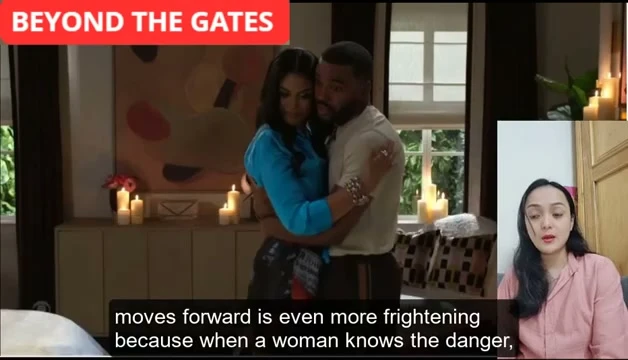
In the broader context, Leslie and Marcel’s relationship can be seen as a reflection of the complexities of human connection. Their story raises important questions about love, desire, and the interplay of personal motives. It suggests that relationships are often not purely about affection but may also involve elements of strategy and self-preservation.
Both individuals exhibit intelligence and awareness of each other’s vulnerabilities, yet their loneliness drives them to remain in a relationship that may not be entirely healthy. This awareness does not negate their emotional investment in each other; rather, it adds a layer of complexity that makes their relationship both intriguing and potentially destructive.
Ultimately, the relationship between Leslie and Marcel illustrates the challenges of love in a context filled with past wounds and present insecurities. Their connection, while grounded in some genuine feelings, is also fraught with suspicion and self-interest. The potential for betrayal looms large, as both individuals must navigate their desires and fears while seeking to avoid the pain of past experiences.
Leslie and Marcel’s story is compelling not for its romantic idealism but for its raw exploration of human relationships marked by ambition, insecurity, and the quest for validation. As they continue to navigate their complex emotional landscape, the question remains: can they find a way to bridge the gap between need and genuine affection, or will their relationship ultimately succumb to the weight of its own complexity?

Randy’s Threat to Joey Revealed in Beyond The Gates Spoilers

In a recent episode of “Beyond The Gates,” tension escalated between Joey and Randy, exposing intricate dynamics and looming threats within their relationships. The episode begins with Joey still grappling with earlier interactions, particularly a double date involving Vanessa, Carlton, and Nicole. This lingering discomfort sets the tone for Randy’s sudden arrival, which heightens the existing tension.
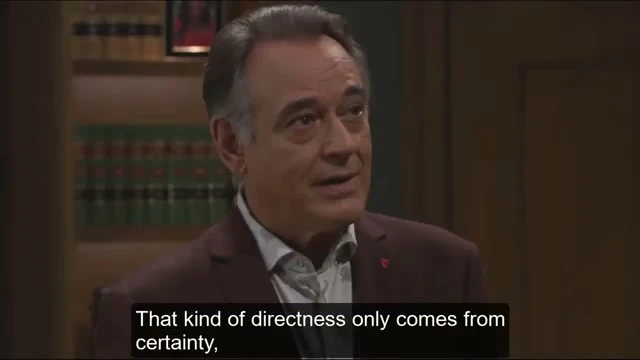
Randy enters with a bold and self-assured demeanor, indicating that he is unfazed by the potential repercussions of confronting Joey. His behavior suggests that he is not simply visiting but has a specific agenda that he deems important. Vanessa, noticing Joey’s change in mood, discreetly excuses herself, demonstrating her awareness of the brewing conflict and her instinct to sidestep situations that could turn dangerous.
Joey’s reaction to Randy is telling. He permits Randy to stay, indicating a tacit acknowledgment of the seriousness of the situation while simultaneously projecting a readiness that implies he is not easily intimidated. Instead of engaging in casual conversation, Joey directly accuses Lynette and Haley of orchestrating a scam involving Bill. This accusation is presented not as speculation but as a firm belief, showcasing Joey’s confidence in his insights and conclusions.
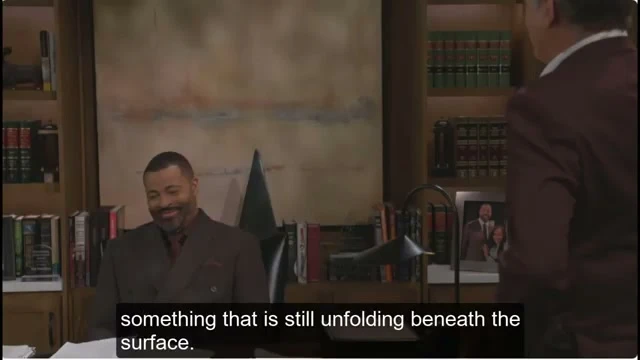
Randy’s reaction is marked by a pretense of ignorance about Lynette, trying to downplay their connection. However, Joey, being perceptive and seasoned, does not fall for this ruse. He maintains his composure, opting to observe Randy’s reactions rather than confronting him outright. This strategic restraint suggests that Joey is carefully weighing his next steps, aware that Randy is likely withholding crucial information.
As the conversation unfolds, Randy attempts to redirect Joey’s focus away from the scam involving Lynette and Haley by urging him not to inform Bill. This tactic appears calculated, as Randy seeks to shift the narrative toward more personal matters, particularly concerning Vanessa and her daughter, Deanna. Nonetheless, Joey remains unperturbed by this diversion, asserting that Bill will uncover the truth on his own, a statement that carries an implicit threat about the situation’s inevitability.
Randy’s arrogance becomes evident as he insists that even if Bill were to learn the truth, it would be too late. This claim not only reveals his misplaced confidence but also suggests a more sinister scheme involving Bill’s health. It implies that Randy may be entangled in a plan that endangers Bill’s well-being, with Haley’s potential role in administering harmful substances heightening the seriousness of the situation.
The narrative further complicates with the involvement of Naomi and Cat, who are actively working to uncover the truth about Haley. Their efforts indicate that the likelihood of Randy’s plan succeeding is waning as they gather incriminating evidence against her. This duality creates tension: Randy remains convinced of his control, while Bill, Naomi, and Cat are quietly assembling a strategy that could thwart his plans.
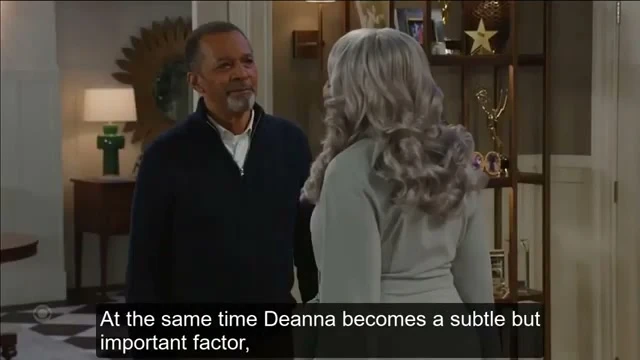
Joey finds himself at a pivotal crossroads. He possesses enough information to be suspicious but lacks tangible evidence to act decisively. This uncertain position carries risks, as any misstep could either lead to the revelation of the truth or inadvertently aid Randy’s schemes. The complexity of the situation is intensified by the fact that no character holds the complete picture, making every choice potentially consequential.
Randy’s decision to confront Joey raises questions about his confidence and intentions. If his plans hinge on secrecy, it seems counterproductive to attract attention by engaging with someone like Joey, who is naturally inclined to dig deeper. This may indicate that Randy believes he can manipulate Joey or that he is overestimating his own control over the situation.
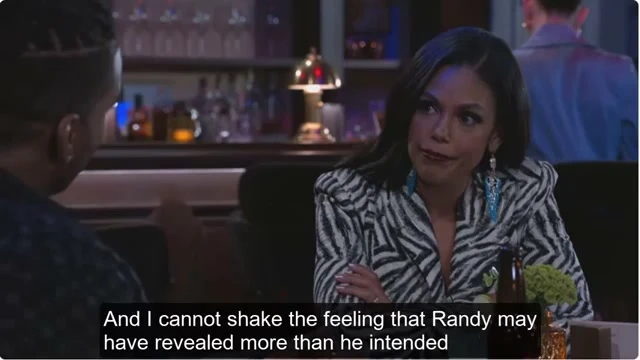
As events progress, Joey’s suspicions are likely to propel him toward deeper investigation. His instincts and awareness position him as a crucial figure in the potential exposure of Randy’s schemes. Vanessa, connected to Joey, may also play a significant role in this unfolding drama, as her perceptiveness could lead her to assist in uncovering the truth.
The stakes are high, and the narrative hints at an impending confrontation where the delicate balance of power could shift dramatically. The dynamics between Joey and Randy, along with the involvement of other key players, set the stage for a tension-filled continuation of the story. As the characters navigate their fragmented knowledge, the potential for explosive revelations remains ever-present, suggesting that the truth will ultimately surface, with significant repercussions for all involved.