Beyond The Gates Prediction: Hayley Lied About The Penthouse Apartment, And Tomas Found The Lost Ring
Hayley, Bill, Tomas, and Lynette. The unfolding events reveal a complex web of deception and investigation that has left viewers on edge.
From the outset, Hayley’s character has consistently operated within a framework of manipulation. This episode highlights her ongoing pattern of deception, particularly focusing on a material issue: the penthouse apartment. Hayley’s assumption that Bill would continue to trust her is indicative of her confidence and her established control over their relationship narrative. This dynamic has been reinforced over time, creating an atmosphere of tension as the audience watches the potential for that control to slip away.
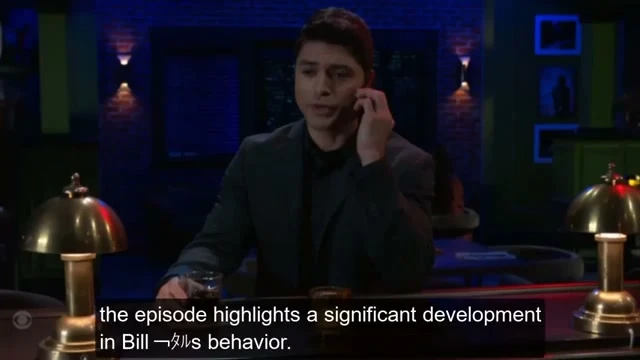
In contrast, Bill’s behavior has shown notable developments. He chooses to trust Tomas, even going as far as to tear up Tomas’s resignation letter, which symbolizes a shift in Bill’s priorities. This act reflects a transition from relying on emotional narratives to a more evidence-based approach. As Bill begins to question the reality presented by Hayley, it signals a possible turning point in his character.
Tomas’s role emerges as increasingly pivotal within this storyline. He continues his investigation and ultimately uncovers critical evidence regarding a stolen ring, which serves as a catalyst for escalating tension. When Tomas returns with the ring and the corresponding ransom receipt, the narrative shifts from speculation to tangible proof, contradicting Hayley’s previous claims. This new information raises important questions about the circumstances surrounding the ring’s disappearance and the individuals involved in the transaction.




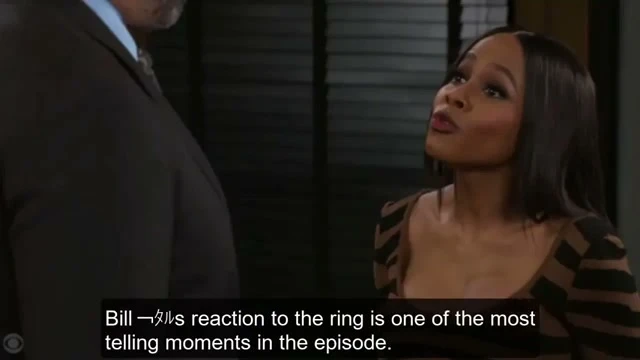
Bill’s reaction to the ring is particularly telling. Instead of an explosive confrontation, he exhibits a contemplative demeanor, suggesting he is processing the implications of the evidence before him. The silence that follows is laden with significance, indicating that Bill is beginning to connect the dots regarding Hayley’s possible involvement in orchestrating the situation.
When Hayley confronts Bill again, the dynamics between them shift noticeably. She attempts to maintain control, possibly to extract further financial support from him. However, Bill’s guarded demeanor suggests that he is no longer easily manipulated. Their interaction reveals a breakdown in communication, exemplifying how Hayley’s outdated assumptions about Bill’s preoccupations with his children or his ex-wife are leading her to miscalculate the situation.
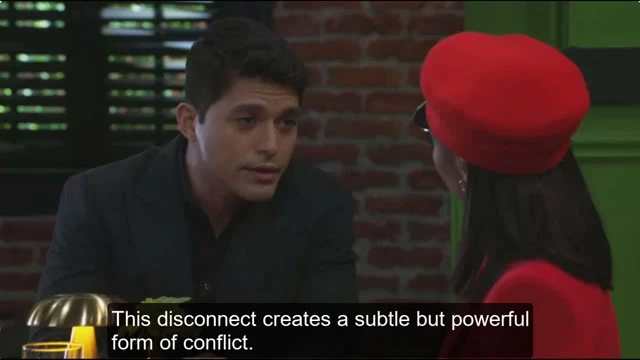
Bill’s indirect questioning about the penthouse apartment illustrates his strategic approach in assessing Hayley’s responses. Her immediate confusion followed by self-reassurance indicates that she is not fully prepared for this line of inquiry. This psychological game between them adds another layer of tension to the narrative, as both characters navigate their conflicting interests.
The turning point in their interaction occurs when Bill presents the ring. Hayley’s reaction, marked by a shift in expression, signals the beginning of a crack in her carefully constructed facade. Despite the evidence contradicting her narrative, she chooses to lie, attempting to maintain her version of events. This moment highlights the collision between deception and evidence, raising the stakes for both characters.
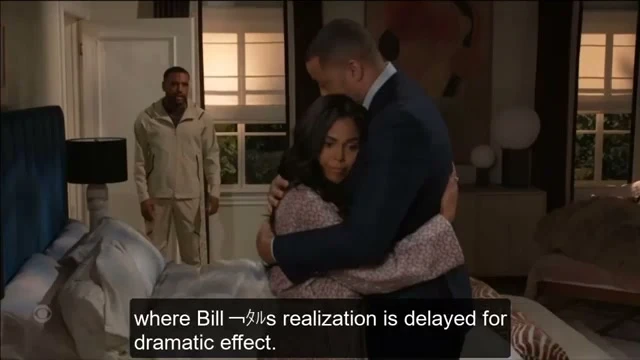
The episode further explores the implications of Tomas’s continued involvement in the investigation. Hayley’s frustration regarding Tomas’s lack of dismissal reveals her recognition of him as a threat to her narrative. Her internal decision to eliminate this threat reflects her awareness of the fragility of her lies. Simultaneously, her outward behavior of expressing relief at the return of the ring demonstrates her skill in performing emotions convincingly, showcasing the duality of her character.
Bill’s decision to involve Joey in the investigation adds another layer of complexity. His cautious approach suggests a growing skepticism about the reliability of others, highlighting the broader theme of trust being increasingly scarce. This delicate balance of conflicting information places Bill in a challenging position as he navigates the uncertainties surrounding the situation.
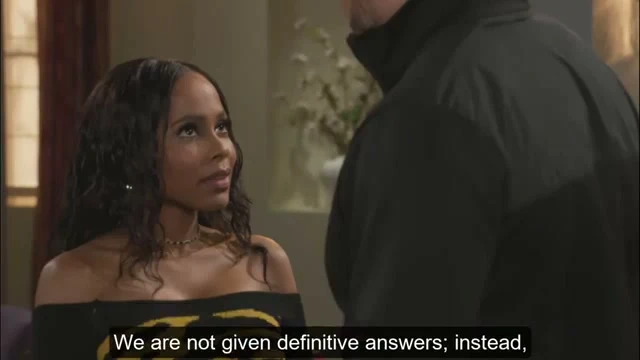
As the narrative unfolds, it becomes evident that the relationships between the characters are gradually unraveling. The tension between appearance and reality remains a central theme, with Hayley representing constructed narratives and Tomas embodying the pursuit of truth. Bill finds himself caught between these forces, experiencing the uncertainty alongside the audience.
In conclusion, the latest episode of “Beyond The Gates” effectively balances character development and plot progression. The storyline illustrates the testing of trust, the emergence of evidence, and the shifting dynamics of relationships. As the tension mounts, viewers are left to speculate on the potential outcomes of this conflict, particularly regarding whether Bill will fully uncover the truth behind Hayley’s deception. The ambiguity of the narrative invites interpretation and keeps audiences engaged, setting the stage for future developments in this intricate tale.
Naomi Informs Darlene About Eva Sparking Izaiah’s Fury in Beyond The Gates Spoilers

In the latest episode of *Beyond the Gates*, significant developments unfolded that highlighted the complexities of relationships among key characters, particularly Naomi, Darlene, Eva, and Izaiah. The episode showcased a pivotal moment in which Naomi engaged in a candid conversation with Darlene about Eva, leading to a series of emotional and narrative consequences.
Naomi’s dialogue with Darlene could have easily devolved into a character assassination of Eva, whose mother, Leslie, has a notorious reputation in the community. However, Naomi opted for honesty, articulating her feelings about Eva both before and after the revelation of Ted’s truth. She emphasized that despite Leslie’s shortcomings, Eva is a good person deserving of compassion. This moment was striking for its rarity in a setting often filled with dramatic confrontations. Naomi’s defense of Eva extended beyond mere words; she urged Darlene not to hold Eva accountable for her mother’s actions, a move that underscores the theme of individual identity versus familial legacy.
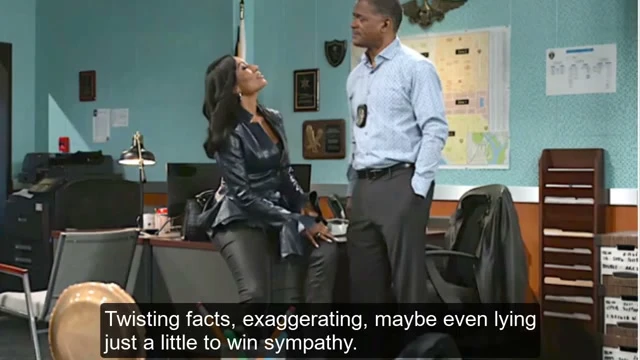
Naomi’s approach reflects a deeper understanding of the cycle of judgment that can plague children of troubled parents. By viewing Eva not merely as Leslie’s daughter but as a young woman striving to forge her own identity, Naomi demonstrated emotional restraint that is both intentional and grounded in her own experiences with stigma and bias. This perspective is crucial as it sets the stage for potential future conflicts regarding Eva’s struggles with her lineage and the societal expectations tied to it.
Darlene’s reaction to Naomi’s assertions was subtle yet significant. As a mother herself, Darlene began to reconsider her stance on Eva, recognizing the shared vulnerabilities that come with parental fears. Her shift in perspective, albeit tentative, indicates that Naomi’s heartfelt approach may have begun to break down some barriers. The conversation about their sons, particularly Jacob’s safety, further fostered a connection between Darlene and Naomi, moving Darlene closer to a more empathetic understanding of Eva.

Meanwhile, the dynamics involving Izaiah and Eva introduced an additional layer of tension. Izaiah found himself caught between his family and his feelings for Eva, which created internal conflict. The fallout from Darlene’s harsh comments about Leslie added to the strain, particularly when Eva felt rejected and unwelcome. This sense of isolation could lead to detrimental consequences, as Eva grapples with a belief that she will never be accepted by Darlene and others in the community.
Izaiah’s position is precarious, as he attempts to navigate the complicated feelings surrounding his relationship with Eva while also confronting the biases present in his family. His reluctance to take a definitive stand risks alienating him from both Eva and his family, a situation that could echo the tragic narrative arcs often seen in soap operas, where indecision leads to dire outcomes.
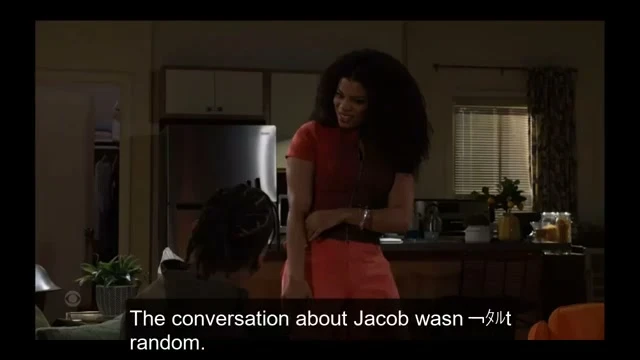
In the broader narrative context, the character of Elon also plays a crucial role, representing the persistent judgment that Eva faces due to her lineage. His silent disapproval of Eva’s relationship with Izaiah underscores the societal stigmas that continue to follow her, regardless of her actions or intentions. The weight of expectation and prejudice against her name raises questions about her potential trajectory within the show.
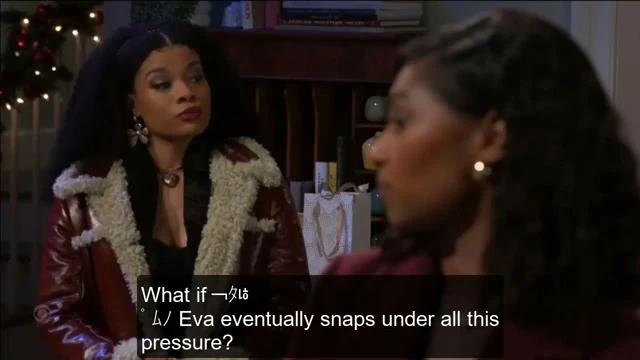
The episode leaves viewers contemplating the possibility of Eva eventually succumbing to the pressure of societal judgment. This theme reflects a broader commentary on how individuals can be shaped by the expectations placed upon them, particularly in toxic familial environments. The fear remains that if Darlene, Elon, and others maintain their distance, Eva may find herself without the support she needs when challenges arise.
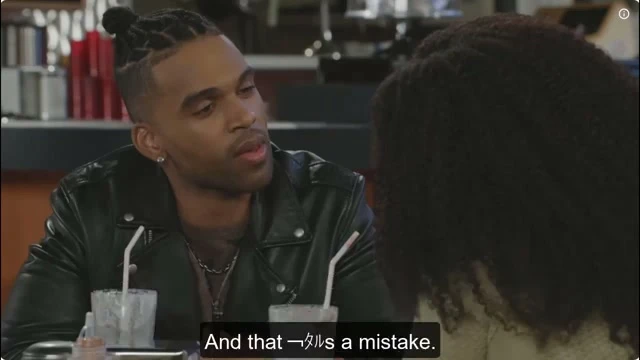
Naomi’s portrayal in this episode is noteworthy for her embodiment of empathy in a world rife with manipulation and vengeance. Her choice to advocate for Eva instead of seeking retribution against Leslie illustrates the potential strength found in compassion. However, it also raises questions about the vulnerability that such an approach can invite in a setting defined by conflict and rivalry.
As the narrative progresses, the character of Apha emerges as a crucial figure, not merely through her connection to Leslie but as an embodiment of the struggle against societal judgment. The episode concludes with an open-ended question regarding trust—whether viewers believe in Eva’s potential for redemption or if caution is warranted in light of her family history.
Overall, this episode of *Beyond the Gates* serves as a critical exploration of identity, judgment, and the complexities of familial ties, setting the stage for future developments that may further challenge the characters’ relationships and personal growth.