Hayley Turns the Tables as Lynette Mysteriously Vanishes from the DMV in Beyond The Gates Spoilers
In the ongoing narrative of “Beyond The Gates,” a significant power struggle has emerged between key characters, Haley and Lynette. As events unfold, the tension between them escalates, revealing deeper layers of manipulation and ambition.
Initially, Haley appeared to be in a favorable position, believing she had successfully navigated through her challenges. However, Lynette’s involvement shifted the dynamics considerably. Lynette, known for her assertive nature, has not only confronted Haley but has assumed the role of a strategic disruptor. Her actions indicate a calculated approach to undermine Haley’s perceived stability. Rather than simply confronting Haley, Lynette has opted for a slow and deliberate method of manipulation, exposing the fragility of Haley’s situation.
As the story progresses, it becomes evident that Lynette’s demands on Haley are not mere requests but a means of establishing leverage. The situation escalates when Haley, in an attempt to appease Lynette, agrees to an outrageous condition: purchasing a penthouse. This move symbolizes Haley’s misunderstanding of the gravity of her predicament. Lynette’s control over Haley is not transactional; it is a long-term strategy designed to shift the power balance in her favor.
The narrative thickens with the introduction of Bill, who stands as a pivotal character caught in the crossfire. Bill perceives fragments of the truth but lacks the complete picture, thus making him susceptible to Haley’s manipulations. When he expresses concern for Haley’s well-being, she adeptly reframes the situation, painting herself as a victim of Lynette’s intimidation. This deception within a deception adds complexity to the unfolding drama, as Haley’s ability to reshape narratives becomes increasingly evident.





Haley’s strategic pivot aims to deflect suspicion away from herself while simultaneously positioning Lynette as a threat in Bill’s eyes. This maneuver is a calculated risk, as it not only seeks to sever her ties to Lynette but also aims to turn Bill into an ally. By portraying Lynette as untrustworthy, Haley attempts to preemptively control the narrative before Lynette can retaliate.
However, unbeknownst to Haley, Bill is not entirely passive in this scenario. He has not accepted Tomas’s resignation, instead assigning him a new role that involves investigating Lynette. This development introduces another layer of complexity, as Tomas’s investigation may reveal truths that could jeopardize Haley’s carefully constructed façade. He is characterized as someone who will not accept superficial explanations, further complicating Haley’s already precarious position.
As tensions mount, it is clear that both Lynette and Haley are engaged in a high-stakes game of manipulation. Lynette’s demands on Haley grow increasingly excessive, suggesting an escalation that could have unpredictable consequences. Meanwhile, Haley is portrayed as a character willing to cross moral lines to secure her ambitions, including contemplating drastic measures against Bill for financial gain. This potential plan intensifies the stakes, highlighting her willingness to act ruthlessly.
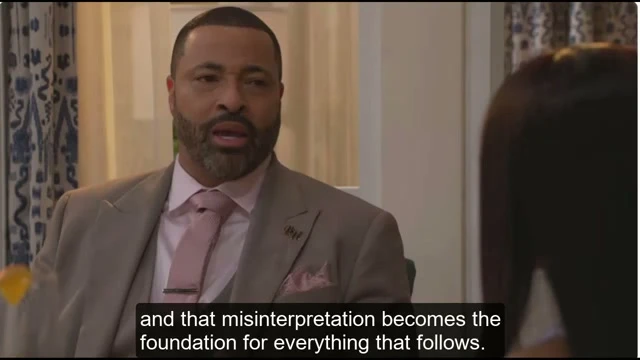
The evolving conflict between Haley and Lynette illustrates the dangers of manipulation, where both characters are driven by personal gain but remain unaware of the precariousness of their situations. Haley’s belief that she has outsmarted Lynette is challenged by the reality that Lynette’s tenacity is not easily extinguished. The narrative suggests that Lynette’s motivations may shift from opportunistic exploitation to a more personal vendetta, driven by a desire for revenge.
As the story progresses, it is suggested that both characters are engaging in a dangerous game where the potential for mutual destruction looms large. The dynamics between them are reflective of a broader theme of power, control, and the consequences of deceit. Each character’s actions are intricately linked, creating a web of intrigue that could lead to unforeseen outcomes.

The situation is further complicated by Bill’s evolving role, as he continues to piece together the fragmented realities presented to him. His observations and interventions could significantly alter the course of events, particularly if he begins to see beyond the narratives crafted by both women. The impending confrontation between Haley and Lynette promises to be a focal point, with each character vying for dominance in a scenario laden with deception.
Ultimately, the trajectory of this conflict suggests that both Haley and Lynette are on a collision course, driven by their respective ambitions and manipulations. The stakes are high, and the potential fallout could involve not just personal betrayal but legal repercussions as well. The narrative hints at the possibility of both characters facing consequences for their actions, with the outcome remaining uncertain.
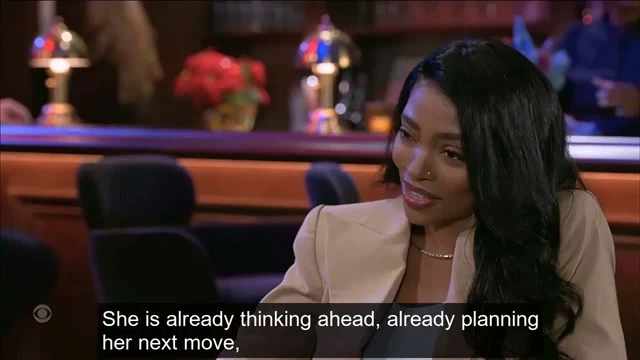
As the tension builds, it is evident that the conflict between Haley and Lynette is far from resolved. Instead, it is entering a critical phase where both characters must navigate their ambitions and the repercussions of their choices. The intricate interplay of deception, manipulation, and ambition raises questions about the limits each character is willing to cross to achieve their goals.
In summary, the unfolding drama in “Beyond The Gates” encapsulates a complex web of relationships, where manipulation and ambition drive the narrative forward. With both Haley and Lynette demonstrating a willingness to engage in ruthless tactics, the potential for mutual destruction looms. Bill’s role as an unknowing participant adds another layer of complexity, suggesting that the resolution of this conflict may have far-reaching implications for all involved.

As the story continues, audiences can anticipate further developments that will challenge the characters’ motivations and the outcomes of their actions. The tension between Haley and Lynette is likely to escalate, culminating in a confrontation that could redefine their relationship and reshape the narrative landscape of “Beyond The Gates.”
Plasma’s Innovative Strategy Transforms Hospital Into a Powerful Weapon in Beyond The Gates

In the unfolding narrative of “Beyond the Gates,” the dynamics of power and control within the plasma trade have taken a significant turn. The series portrays a world where chaos appears to be morphing into an organized system, and key players are beginning to reveal their true strategies. Central to this evolution is Jacob, whose grip on his operations is gradually slipping, and Leah, the enigmatic figure orchestrating a transformative shift in the underground plasma market.
Jacob, previously a figure of authority, is depicted as losing control quietly, rather than through overt actions. The plasma ring, which he has been monitoring, is evolving beyond his capacity to manage. Despite having Smitty embedded within the operation, Jacob finds that the network is not merely resisting his efforts; it is adapting and evolving in ways that he struggles to comprehend. This fundamental change in the operational landscape marks a critical phase in the storyline, with Jacob’s investigations becoming increasingly futile as he circles around Leah without realizing her pivotal role in the unfolding events.
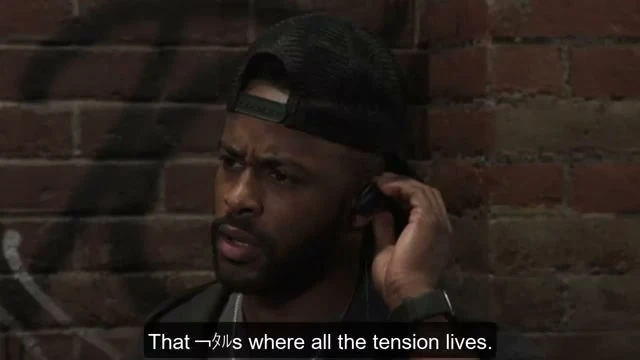
Leah emerges as a formidable character, utilizing timing and strategic foresight to navigate the chaotic landscape. While Jacob reacts to the events around him, Leah anticipates and capitalizes on the instability of the red market. She perceives the chaos not as a threat but as an opportunity to restructure the plasma network into something more sophisticated and less traceable. Her bold decision to shift operations into Leslie’s newly opened hospital marks a crucial pivot in the narrative. This move is not only strategic in avoiding detection but also symbolic; a hospital, typically associated with care and trust, becomes a hub for illicit activities.
Jacob’s predicament is compounded by his own strengths. He is portrayed as observant and committed, capable of recognizing patterns and details that others may overlook. However, his intelligence is undermined by his position in the unfolding events. As he attempts to piece together the puzzle of the plasma trade, Leah continues to redefine the parameters of the game, leaving Jacob perpetually one step behind.

Smitty, who on paper should provide Jacob with an advantage, instead becomes a liability. His presence within the plasma network is fraught with uncertainty, as the system’s instability renders the information he provides increasingly outdated. This serves to illustrate the tragic nature of Jacob’s situation; while he engages in strategic maneuvering, Leah is effectively rewriting the rules of engagement, making traditional approaches to investigation and infiltration less effective.
The character Joey enters the narrative as a significant player who recognizes the scale and precision of the plasma network. His reaction to the operations reflects a deeper understanding of the power dynamics at play. He acknowledges the unseen leader behind the network but remains unaware that it is Leah. This ignorance leaves open the question of how his perception might change should he learn her identity.

As the story progresses, Leslie, the operator of the struggling free clinic, finds herself increasingly overwhelmed by the demands placed on her services. Her attempts to seek assistance highlight the vulnerabilities within legitimate systems. The narrative suggests that when resources are scarce and clinics are overstretched, they become susceptible to infiltration by illicit operations. Leah’s ability to embed her network into Leslie’s hospital not only helps her avoid scrutiny but also complicates the integrity of the legitimate healthcare system.
Grayson introduces an additional layer of complexity to the unfolding events. Jacob’s warning to Ashley to avoid Grayson illustrates the precarious nature of information and trust within the narrative. Grayson’s reaction to Jacob’s interference leads to a breakdown in communication, further isolating Jacob from crucial intelligence. This decision-making dilemma raises questions about the balance between acting on suspicion versus waiting for concrete evidence.
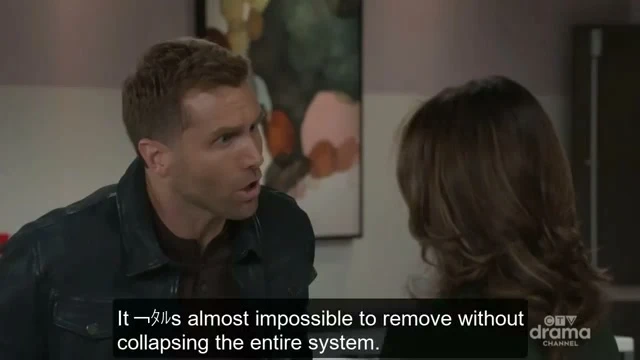
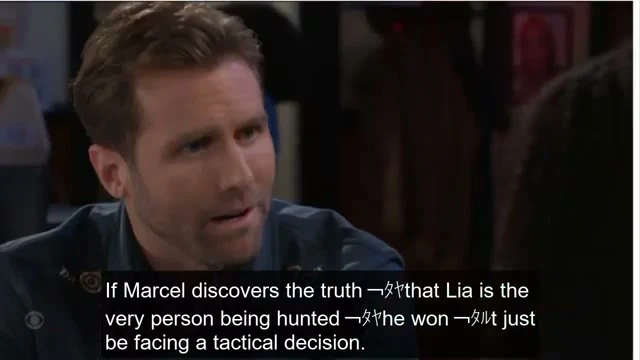
Marcel’s involvement, under the directives of Elon, adds another dimension to the narrative. His relationship with Leah complicates his loyalties, as he is positioned between his duties and his friendship with her. This moral conflict becomes increasingly relevant as the story explores the intricate relationships that define loyalty within a complex and dangerous environment.
Overall, “Beyond the Gates” illustrates a broader commentary on systems and their vulnerabilities. The growth of the red market is not merely attributed to individual actions but is seen as a product of systemic failures. Leah’s ability to organize chaos into a coherent operation highlights the effectiveness of her approach, contrasting sharply with Jacob’s reactive strategies.
Ultimately, the central conflict is framed as one of anticipation versus reaction. Jacob’s struggle to understand a system that Leah has already mastered signifies a pivotal moment in the narrative. As the plasma network continues to grow and adapt, Jacob risks falling further behind. If he cannot recalibrate his approach swiftly, the plasma network may become untouchable, culminating in a scenario where Jacob realizes too late the full extent of Leah’s influence.